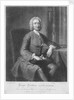


George Graham (1674?-1751)
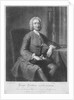
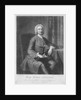
Image information
Sizing information
| Overall size (inc frame) | x cm ( x in) |
| Depth | cm (in) |
| Artwork | x cm ( x in) |
| Border (mount) |
cm
top/bottom
(in)
cm left/right (in) |
| The paper size of our wall art shipped from the US is sized to the nearest inch. | |

George Graham (1674?-1751)
Graham was an English clockmaker, inventor and member of the Royal Society. A Friend (Quaker) like his mentor Thomas Tompion, Graham left Cumberland in 1688 for London to work with Tompion. He was partner to the influential English clockmaker Thomas Tompion during the last few years of Tompion's life. Graham is credited with inventing several design improvements to the pendulum clock, inventing the mercury pendulum and also the orrery. However his greatest innovation was the invention of the Graham or dead beat escapement around 1715. In 1722 he was appointed the master of the Clockmakers Company.
Johan Faber Jnr. after Thomas Hudson
- Image reference: D6766
- National Maritime Museum, Greenwich, London
Discover more
More by this artist
Search for similar images
Product images of George Graham (1674?-1751)



Our framed prints
Every framed picture is created by hand in our workshop by specialist framers.
Black, white, brown, silver, gold or natural frames available, supplied ready to hang.
All our frames have a smooth satin finish, and measure 20mm (front face) by 23mm (depth from wall).
Read more about our framed art prints.
Manufactured in the UK
All products are printed in the UK, using the latest digital presses and a giclée printmaking process.
We only use premium branded inks, and colours are independently verified to last between 100 and 200 years.
Delivery & returns
We print everything to order so delivery times may vary but all framed pictures are despatched within 5-7 days via courier or recorded mail.
Due to the coronovirus pandemic and Brexit situation, current shipping times may be longer, particularly for destinations outside the UK.
Delivery to the UK is £10 for a single framed print.
We will happily replace your order if everything isn’t 100% perfect.