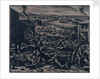
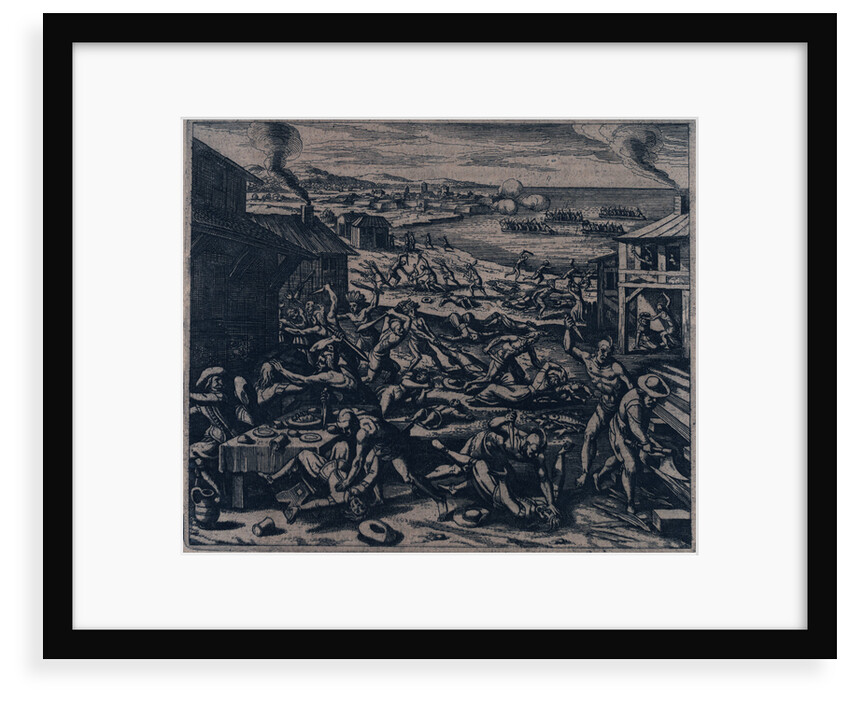
Indians slaughtering the English near Jamestown
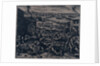
Image information
Sizing information
| Overall size (inc frame) | x cm ( x in) |
| Depth | cm (in) |
| Artwork | x cm ( x in) |
| Border (mount) |
cm
top/bottom
(in)
cm left/right (in) |
| The paper size of our wall art shipped from the US is sized to the nearest inch. | |

Indians slaughtering the English near Jamestown
In stark contrast to the common depiction of Native Americans as 'Noble Savages', this print, from Gottfried's 'Newe Welt und americanische Historien', is a scene of violence. It depicts the 1622 Powhatan uprising, a series of attacks by the Powhatan Confederacy against English colonists. However, this was not intended to be an accurate representation of events. This image was used to legitimate the European attempts to exterminate Native American populations that followed.
Gottfried
Original size: 183 mm x 195 mm
- Image reference: PX7943
- National Maritime Museum, Greenwich, London
Discover more
More by this artist
Search for similar images
Product images of Indians slaughtering the English near Jamestown



Our framed prints
Every framed picture is created by hand in our workshop by specialist framers.
Black, white, brown, silver, gold or natural frames available, supplied ready to hang.
All our frames have a smooth satin finish, and measure 20mm (front face) by 23mm (depth from wall).
Read more about our framed art prints.
Manufactured in the UK
All products are printed in the UK, using the latest digital presses and a giclée printmaking process.
We only use premium branded inks, and colours are independently verified to last between 100 and 200 years.
Delivery & returns
We print everything to order so delivery times may vary but all framed pictures are despatched within 5-7 days via courier or recorded mail.
Due to the coronovirus pandemic and Brexit situation, current shipping times may be longer, particularly for destinations outside the UK.
Delivery to the UK is £10 for a single framed print.
We will happily replace your order if everything isn’t 100% perfect.